At a glance
- What are the main types of facelift? From the lightest to the most complete: the mini lift, the SMAS lift, the deep plane facelift and the extended deep plane facelift. They differ by how deep the surgeon works under the skin.
- What is a mini lift? A short incision around the ears that mostly removes excess skin. It is quick, but it does not treat the deeper structures of the face.
- What is a SMAS lift? It goes one layer deeper and tightens the muscle and fat layer under the skin, called the SMAS, to firm up the jawline and jowls.
- What makes the deep plane facelift different? The surgeon works beneath the SMAS and releases the ligaments that hold the face down, so cheeks, jowls and jawline can be lifted together, naturally.
- What does an extended deep plane facelift add? It takes the release further down into the neck, treats the neck muscles at the front and removes the fat under the chin, for a sharper jaw and neck line.
Mini lift, SMAS lift, deep plane, extended deep plane: these four names come up in almost every facelift consultation, yet they are rarely explained. They all aim to rejuvenate the face, but they do not work at the same depth, and that changes everything: what can be lifted, how natural the result looks and how long it lasts. This guide explains each technique simply, so you can talk to your surgeon on equal terms.
The four facelifts at a glance
| Technique | How deep it goes | What it treats | Usually suited to |
|---|---|---|---|
| Mini lift | Skin, through a short incision around the ears | Mild skin laxity on the lower face | Early signs of ageing, mostly skin |
| SMAS lift | One layer deeper: the muscle and fat layer (SMAS) is tightened | Jowls and jawline | Moderate sagging |
| Deep plane facelift | Beneath the SMAS, with the retaining ligaments released | Cheeks, nasolabial folds, jowls and jawline, lifted together | Moderate to significant sagging |
| Extended deep plane facelift | Deep plane release continued down into the neck | Face plus neck muscles and fat under the chin | Sagging of the face and a loose neck |
The deeper the surgeon works, the more of the face can be repositioned rather than simply pulled tight.
The mini lift: a short scar, a skin-level result
The mini lift uses a short incision around the ears. Its main action is on the skin: the surgeon removes the excess and redrapes what remains. It is a quick procedure, which explains its appeal.
Its limit is just as clear: it does nothing for the deeper structures of the face. When the cheeks have descended or the jowls are marked, tightening the skin alone cannot bring them back up, and over-tightening is precisely what creates the “pulled” look people fear.
The SMAS lift: one layer deeper
Under the skin lies the SMAS, a layer of muscle and fat that supports the face. In a SMAS lift, which some patients hear as a “smash lift”, the surgeon tightens this layer before redraping the skin.
Because the support layer is treated, the result is firmer and more lasting than a skin-only lift, especially on the jowls and the jawline. The skin and the SMAS are, however, handled as two separate layers.
The deep plane facelift: releasing what holds the face down
In a deep plane facelift, the surgeon goes beneath the SMAS and releases the retaining ligaments, the tethers that anchor the face and keep it from being lifted. Once they are freed, skin and SMAS move together as one unit.
The whole mid and lower face can then be elevated naturally: cheeks, nasolabial folds, jowls and jawline. Since the tension is placed on deep tissues rather than on the skin, the face looks refreshed rather than stretched.
The extended deep plane facelift: the neck too
The extended deep plane facelift takes the release even further, down into the neck. The surgeon also treats the neck muscles at the front and removes the fat under the chin. It is the most complete option when ageing shows as much on the neck as on the face: a blurred jawline, neck bands or a double chin. For men, the same techniques are adapted to the beard, the sideburns and a more angular jaw: see our page on the male facelift in Turkey.
Which facelift do you need?
The right technique depends on your anatomy far more than on a name. In consultation, the surgeon looks at:
- The degree of sagging: skin laxity only, or cheeks and jowls that have descended.
- The neck: whether it is loose, with bands or fat under the chin.
- Skin quality and volume loss: a hollow face may also need facial fat grafting to restore volume.
- Your goals: a light refresh or a more complete rejuvenation.
A facelift is often combined with eyelid surgery, a lip lift or a fox eyes lift for the eye area. For an overview of all our facial procedures, see our page on the face lift in Turkey.
How much does a facelift cost in Turkey?
The price is set on quote, according to the technique, the neck work and any combined procedures. As a guide, Aram Clinic full facelift packages start at €3,700 in Istanbul or Izmir, including surgery, hospital stay, 5-star hotel and transfers with a driver. In a private London clinic, a deep plane facelift is generally quoted at around £15,000 to £30,000, travel and hotel aside.
Before booking, read our guide on cosmetic surgery safety in Turkey and how to prepare your medical trip to Turkey.
Our facelift surgeons
At Aram Clinic, facelifts are performed by plastic surgeons experienced in facial anatomy, in Istanbul and Izmir. Meet our plastic surgeons in Turkey.
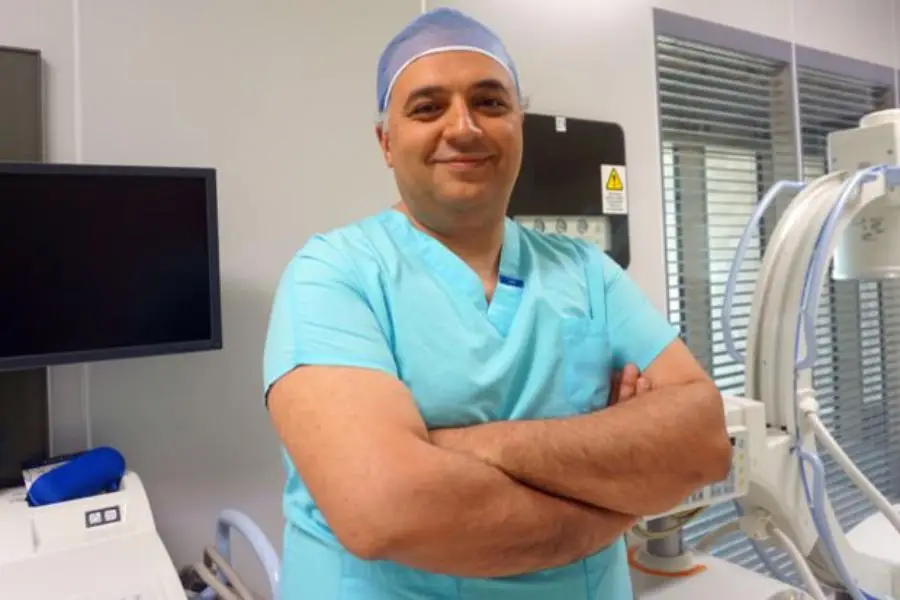
Dr Mehmet Karaaltin (Istanbul)
A graduate of the Cerrahpaşa Faculty of Medicine in Istanbul, certified by the Turkish Board of Plastic Surgery and a member of EBOPRAS and ISAPS, he has more than 25 years of experience. As an ISAPS member surgeon, he provides ISAPS insurance for the cosmetic procedures he performs. Facelift and advanced facial rejuvenation are among his core areas, and he was part of the team that performed the world’s third full face transplant.
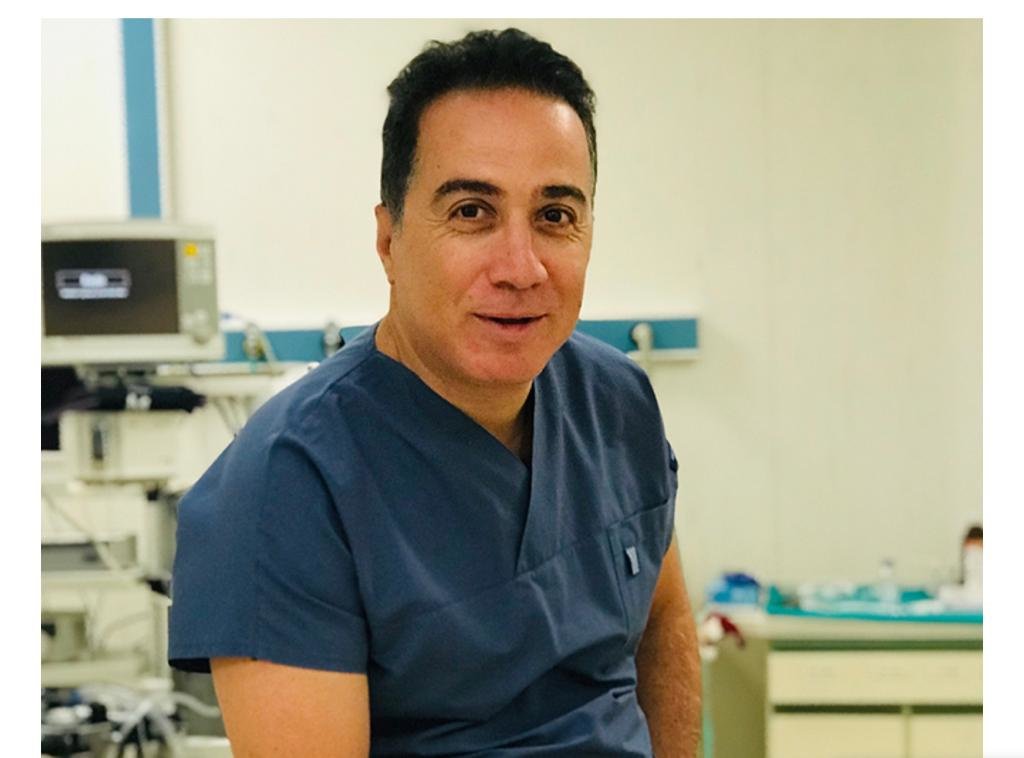
Dr Tolgahan Alpaydin (Izmir)
A graduate of Ege University (Izmir), he completed his plastic surgery residency there (1995–2001), then a microsurgery fellowship and aesthetic surgery training at the Cleveland Clinic Foundation (USA). He has directed the Izmir Aesthetic and Plastic Surgery Clinic since 2003. He performs endoscopic and deep plane facelifts with a natural anti-ageing approach, as well as eyelid surgery.
Dr Orhan Fahri Demir (Istanbul)
Trained at Gazi University (Ankara) and in plastic, reconstructive and aesthetic surgery at Ege University, he has practised as a plastic surgery specialist at Memorial Bahçelevler Hospital in Istanbul since 2025, with more than eight years of clinical and academic experience. Endoscopic and deep plane facelifts are part of his expertise; in 2024 he took part in a facelift congress in Azerbaijan.